3psLCCA User Guide
Version: 2026.04.1 | Developed at: Osdag, FOSSEE, IIT Bombay | Supported by: ConstructSteel, Ministry of Steel, INSDAG
3psLCCA is a desktop application for evaluating the life cycle cost of bridges across the initial, use, and end-of-life stages. It accounts for a comprehensive range of costs, including construction, inspection, maintenance, traffic disruptions, demolition, recycling, and other associated costs. The software is based on the 3PS-LCC (Three Pillars of Sustainability Life Cycle Cost Assessment) framework which integrates these costs into a single monetary metric while capturing the economic, environmental, and social dimensions of sustainability throughout the bridge life cycle.
LCCA evaluates the total cost of a bridge across its entire service life - not just initial construction, but maintenance, repair, demolition, recycling, and associated environmental and social costs. All costs are brought to a common present-day value using discounting, allowing direct comparison of different design alternatives.
The analysis is structured around three pillars of sustainability:
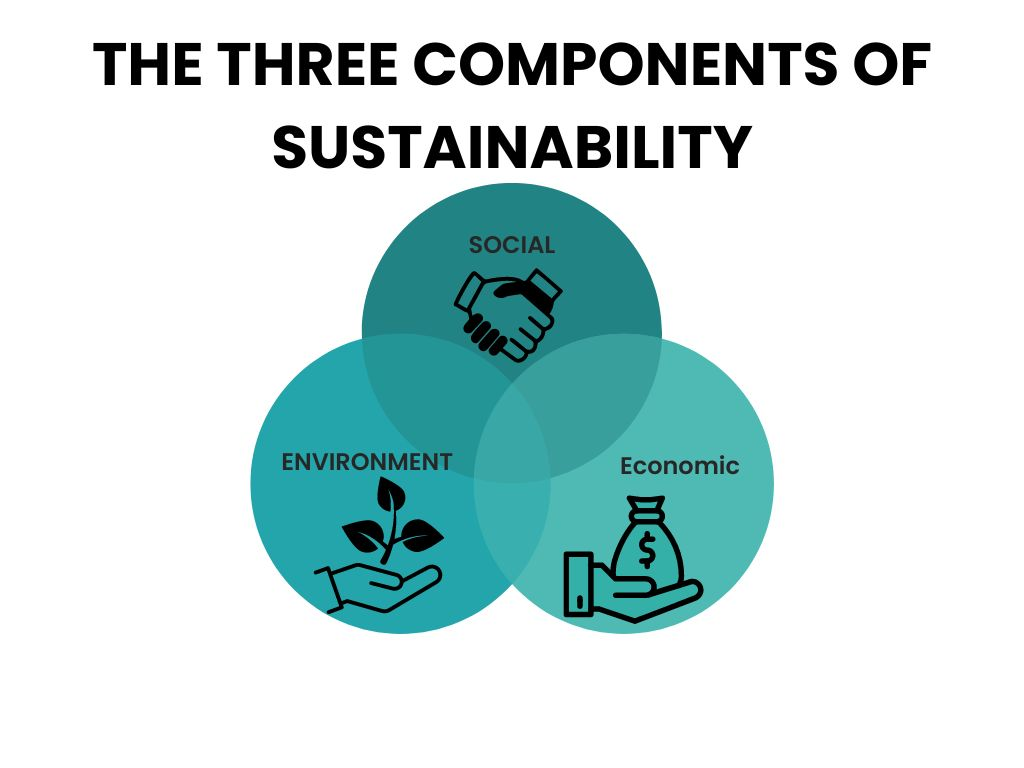
- Economic - direct monetary costs: construction, maintenance, demolition
- Social - road user costs: delays, accident costs, and detour expenses incurred during construction and maintenance activities
- Environmental - carbon emission costs across the bridge life cycle
This guide uses a single example project throughout: a 2-lane RCC T-Girder road bridge over the Sone River on a state highway in Bihar. This is a straightforward, commonly built bridge type - suitable for demonstrating all features of the application without introducing complexity specific to long-span or special structures. All field values, quantities, and screenshots in this guide refer to this project.
Coverage:
- Launching the application and the Home screen
- Creating and opening projects
- Comparing projects
- General Information and Bridge Data input
- Construction Work Data (Foundation, Sub Structure, Super Structure, Miscellaneous)
- Financial, Traffic, Maintenance, Demolition, and Carbon Emission parameters
- Running the analysis and interpreting results
- Generating a PDF report
Technical terms are defined inline at their first occurrence throughout this guide.